1. Introduction to Travel Card
A Travel Card is a reloadable smart card designed to simplify and streamline the use of public transportation systems. It replaces traditional paper tickets, offering a faster, more efficient, and often more economical way for commuters to pay for transit services.
Key Features of a Travel Card:
- Smart Technology:
- Uses RFID (Radio-Frequency Identification) or NFC (Near Field Communication) for contactless payments.
- Eliminates the need for physical cash or paper tickets.
- Value Storage:
- Prepaid System: Users load money onto the card in advance, and fares are deducted per trip.
- Subscription-Based: Some TravelCards offer unlimited travel for a fixed period (e.g., daily, weekly, or monthly passes).
- Multi-Modal Compatibility:
- Works across different transit modes (buses, trains, trams, ferries) within a city or region.
- Some advanced systems (e.g., Japan’s Suica, Hong Kong’s Octopus) allow payments at retail stores and parking meters.
Why Travel Cards Are Beneficial:
- Convenience: Tap-and-go system speeds up boarding.
- Cost Savings: Discounted fares compared to single-use tickets.
- Eco-Friendly: Reduces paper waste from disposable tickets.
- Security: If registered, lost cards can be blocked and balance recovered.
Common Types of Travel Cards:
| Type | Description | Example Systems |
| Prepaid | Pay-as-you-go, balance deducted per trip | London’s Oyster, NYC MetroCard |
| Subscription | Unlimited rides for a fixed duration | Paris Navigo (weekly/monthly) |
| Multi-City/Country | Works across different regions | Germany’s Deutschland-Ticket |
| Virtual/Digital | Stored in mobile wallets (Apple Pay, Google Pay) | Transport for London (TfL) via Apple Pay |
Evolution of TravelCards:
- Early Systems: Magnetic stripe cards (e.g., early MetroCards in NYC).
- Modern Smart Cards: Contactless chips (Oyster, Suica).
- Future Trends: Biometric integration, AI-driven dynamic pricing.
2. How a TravelCard Works
A TravelCard operates as an electronic wallet for public transportation, using smart technology to make commuting seamless. Below is a detailed breakdown of its functionality:
1. Loading Funds onto a TravelCard
TravelCards can be recharged through multiple methods, ensuring flexibility for users:
Top-Up Methods:
- Self-Service Kiosks:
- Found at metro stations, bus terminals, or transit hubs.
- Accept cash, debit/credit cards, or mobile payments.
- Mobile Apps & Online Portals:
- Linked to bank accounts or digital wallets (e.g., PayPal).
- Example: London’s Oyster Card via TfL Oyster app.
- Auto-Reload (Auto-Top-Up):
- Automatically adds funds when balance falls below a threshold.
- Requires linking to a bank account or credit card.
- Retail Stores:
- Convenience stores (e.g., 7-Eleven for Suica in Japan).
Key Considerations:
- Minimum/Maximum Balance: Some cards have limits (e.g., £10–£90 for Oyster).
- Expiration: Unused funds may expire after long inactivity (varies by system).
2. Using the TravelCard (Tap-and-Go System)
TravelCards rely on contactless technology for fare payment:
Step-by-Step Process:
- Tap In:
- Hold the card near the reader (RFID/NFC range: ~4 cm).
- A beep or green light confirms deduction.
- Example: Entering a subway turnstile in Tokyo with Suica.
- Tap Out (Distance-Based Systems):
- Required in systems charging by distance (e.g., London Underground).
- Ensures correct fare calculation; failure may incur penalty charges.
- Transfers:
- Some systems allow free transfers within a time window (e.g., 2 hours in NYC).
Technology Behind It:
- RFID/NFC: Encrypted chips communicate with readers instantly.
- Fare Capping: Daily/weekly maximum charges prevent overpaying (e.g., Oyster’s daily cap).
3. Subscription Models (Unlimited Travel Plans)
Many TravelCards offer fixed-duration passes for frequent commuters:
Common Subscription Types:
| Plan | Coverage | Example Systems |
| 24-Hour Pass | Unlimited rides for a day | Berlin WelcomeCard |
| Weekly/Monthly Pass | Cost-effective for regular commuters | Paris Navigo (weekly/monthly) |
| Tourist Passes | Includes transit + attraction discounts | Japan Rail Pass (regional) |
How to Activate:
- Auto-Renewal: Linked to a payment method (e.g., Chicago’s Ventra Card).
- Manual Purchase: Bought at kiosks or online (e.g., NYC’s 7-Day MetroCard).
Advantages:
- Predictable costs for daily commuters.
- Often includes discounts for bikeshares or ferries.
4. Special Features & Troubleshooting
a) Balance Checks:
- At station readers, mobile apps, or online accounts.
b) Lost/Damaged Cards:
- Registered Cards: Balance can be transferred to a new card (e.g., Hong Kong Octopus).
- Unregistered Cards: Non-replaceable (like disposable MetroCards).
c) Refunds:
- Some systems refund deposits or unused funds (e.g., Oyster’s £5 deposit return).
Comparison: TravelCard vs. Contactless Bank Cards
| Feature | TravelCard | Contactless Bank Card |
| Fare Caps | Yes (in most systems) | Rarely supported |
| Offline Use | Always works | Requires network connection |
| Lost Card Protection | Balance recoverable if registered | Bank-dependent |
| Tourist Discounts | Often available | No |
Future Innovations
- Biometric Cards: Fingerprint-linked TravelCards (piloted in Dubai).
- Multi-City Integration: Single card for cross-border travel (EU’s ongoing projects).
- AI Optimization: Apps suggesting cheapest fare plans based on usage.
3. Advantages of Using a TravelCard
TravelCards revolutionize urban commuting by offering a smarter alternative to traditional ticketing. Below is a detailed breakdown of their key benefits, with real-world examples and data where applicable.
1. Cost-Effective: Save Money on Every Trip
TravelCards provide financial advantages through:
a) Bulk Discounts & Fare Capping
- Pay-as-you-go (Prepaid):
- Many systems charge lower per-ride fares compared to single tickets.
- Example: London’s Oyster Card charges £2.70 per bus ride vs. £3.00 cash fare.
- Daily/Weekly Fare Caps:
- Automatically stops charging after hitting a limit.
- Example: NYC’s OMNY card caps at $34 (equivalent to a 7-Day MetroCard) after 12 rides in a week.
b) Subscription Plans (Unlimited Travel)
| Plan Type | Typical Savings | Example |
| Monthly Pass | ~20–30% vs. daily tickets | Paris Navigo: €84.10/month vs. €2.15/trip (break-even at ~39 rides) |
| Tourist Pass | Free entry to attractions | Berlin WelcomeCard: €23 for 48h + 50% off museums |
Pro Tip: Use fare calculators (e.g., TfL’s Single Fare Finder) to compare costs.
2. Speed: Skip Lines, Board Faster
TravelCards eliminate friction in transit:
a) Tap-and-Go Efficiency
- Processes transactions in <0.5 seconds (vs. 10+ seconds for cash/paper tickets).
- Example: Hong Kong’s Octopus handles 15M+ daily taps with 99.9% uptime.
b) Reduced Queue Times
- During peak hours, TravelCard users save 5–15 minutes/day by bypassing ticket machines.
- Data: Moscow Metro reported a 30% drop in station crowding after phasing out paper tickets.
3. Multi-Modal Use: One Card for All Transport
Seamless Integration Across Networks
| City | Supported Modes |
| Tokyo | Trains (JR, Metro), Buses, Ferries, Taxis |
| London | Tube, Bus, Tram, DLR, Thames Clippers |
| Chicago | L Trains, Buses, Divvy Bikeshares |
Bonus: Some cards (e.g., Japan’s Suica) work at vending machines, convenience stores, and lockers.
4. Eco-Friendly: Reduce Waste & Carbon Footprint
Environmental Impact
- Paper Waste Reduction:
- London saved 50+ tons of paper/year after introducing Oyster Cards.
- Lower Emissions:
- Faster boarding = fewer idling vehicles (e.g., buses emit 20% less CO₂ at stops with smart cards).
Did You Know? Sydney’s Opal Card is made from recycled plastic.
5. Additional Perks
a) Security Features
- Balance Protection: Registered cards can block unauthorized use if lost.
- Usage Alerts: Apps notify you of low balance or unusual activity.
b) Tourist Benefits
- Discounted Entry: Many cards bundle transit with museum/attraction deals.
- Example: Lisbon’s Viva Viagem Card includes free entry to 6 monuments.
c) Accessibility
- Uniform Design: Simplified for tourists/non-native speakers.
- Assistive Tech: Tactile features for visually impaired users (e.g., London’s Oyster).
Comparison: TravelCard vs. Alternatives
| Advantage | TravelCard | Mobile Ticketing | Paper Tickets |
| Cost Savings | ✅ Best | ✅ Good | ❌ Poor |
| Speed | ✅ Instant | ✅ Instant | ❌ Slow |
| Multi-Modal | ✅ Yes | ❌ App-dependent | ❌ No |
| Eco-Impact | ✅ Low | ✅ Very Low | ❌ High |
Future Trends Enhancing These Advantages
- Dynamic Pricing: AI adjusts fares based on demand (e.g., off-peak discounts).
- Carbon Tracking: Apps show emissions saved by using TravelCards.
- Global Interoperability: Single card for multiple countries (EU’s European Mobility Wallet pilot).
Ask Yourself:
- Do you commute daily? → Subscription = Max Savings
- Traveling abroad? → Tourist Pass = Convenience + Perks
4. Popular TravelCard Systems
TravelCards have become integral to urban mobility across the globe. Below is an in-depth comparison of four major systems, their unique features, and how they enhance daily commuting and tourism.
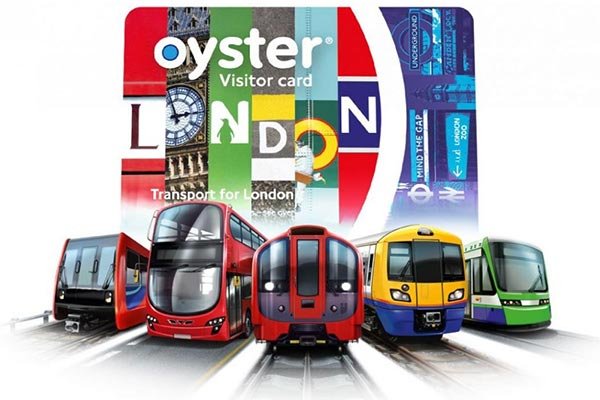
1. Oyster Card (London, UK)
Key Features:
- Coverage:
- Tube (Underground), buses, trams, DLR, London Overground, Thames Clippers (river buses), and some National Rail services.
- Fare Capping:
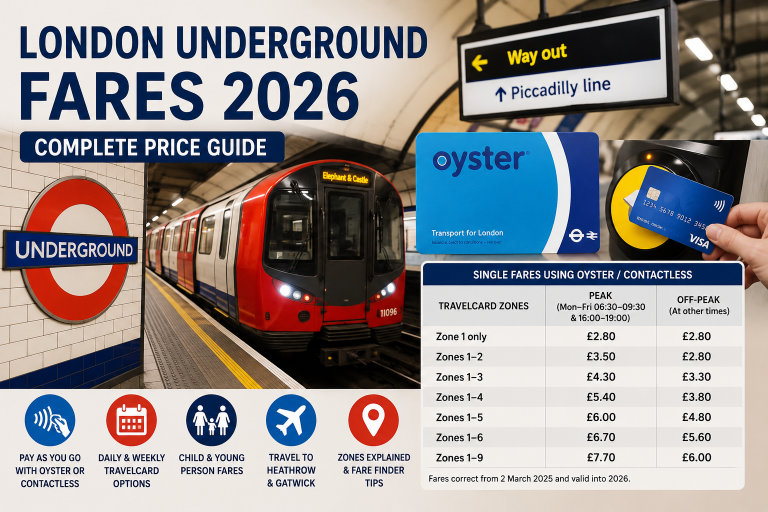
- Daily cap: Automatically limits charges (e.g., £8.90 for Zones 1-2).
- Weekly cap: Applies after Monday-Sunday usage.
- Tourist Perks:
- Visitor Oyster Card offers discounts at restaurants, shops, and attractions.
- Top-Up Methods:
- Tube station kiosks, online, TfL Oyster app, and retail stores.
Why It Stands Out:
✅ Best for: Frequent London commuters and tourists.
⚠ Limitation: Doesn’t work outside Greater London.
2. MetroCard (New York City, USA)
Key Features:
- Coverage:
- Subway, buses, Staten Island Railway.
- Fare Options:
- Pay-Per-Ride: 5% bonus on $5.50+ purchases.
- Unlimited: 7-Day (
- 34)or30−Day(
- 34)or30−Day(132) passes.
- Legacy System:
- Still uses magnetic stripe tech (phasing out for OMNY contactless).
- Where to Buy:
- Subway vending machines, select stores.
Why It Stands Out:
✅ Best for: Budget-conscious riders (unlimited passes).
⚠ Limitation: No fare capping (OMNY will introduce it).
3. Suica / Pasmo (Japan)
Key Features:
- Coverage:
- Trains (JR, Metro), buses, monorails, and even taxis.
- Beyond Transit: Convenience stores (7-Eleven), vending machines, lockers.
- Mobile Integration:
- Works on Apple Pay (Suica) and Android (Pasmo).
- Tourist Version:
- Welcome Suica (no deposit, valid 28 days).
Why It Stands Out:
✅ Best for: Seamless travel + cashless shopping.
⚠ Limitation: Regional restrictions (e.g., Suica doesn’t work in Osaka).
4. Octopus Card (Hong Kong)
Key Features:
- Coverage:
- MTR (subway), buses, ferries, trams.
- Retail & Services: McDonald’s, supermarkets, parking meters.
- Auto-Reload:
- Links to credit cards for low-balance top-ups.
- Tourist Perks:
- On-loan Octopus (refundable deposit).
Why It Stands Out:
✅ Best for: Ultra-convenient cashless living.
⚠ Limitation: Small HK$500 maximum balance.
Comparison Table: Which TravelCard Is Best for You?
| Feature | Oyster (London) | MetroCard (NYC) | Suica (Japan) | Octopus (HK) |
| Tech | RFID | Magnetic Stripe | NFC | RFID |
| Fare Cap | ✅ Yes | ❌ No | ❌ No | ✅ Yes |
| Mobile Pay | ✅ (Apple/Google Pay) | ❌ (OMNY only) | ✅ (Apple Pay Suica) | ✅ (Octopus App) |
| Non-Transit Use | ❌ Limited | ❌ No | ✅ (Stores, taxis) | ✅ (Retail, parking) |
| Tourist Version | ✅ Visitor Oyster | ❌ No | ✅ Welcome Suica | ✅ On-loan Octopus |
Which One Should You Choose?
- Visiting London? → Oyster (fare capping + tourist discounts).
- NYC Commuter? → Unlimited MetroCard (best value for frequent rides).
- Traveling Japan? → Suica/Pasmo (all-in-one convenience).
- Exploring Hong Kong? → Octopus (transit + retail payments).
Future of TravelCards: What’s Next?
- Global Interoperability: Plans for cross-border card usage (e.g., EU’s European Mobility Wallet).
- Biometric Cards: Pilot tests in Dubai (fingerprint-linked payments).
- AI Personalization: Apps suggesting optimal fare plans based on travel history.
Pro Tip: If you’re a frequent traveler, check if your contactless bank card works (e.g., Visa/Mastercard in London’s Tube).
5. How to Get and Use a TravelCard
- Purchase: Available at transit stations, online, or partner stores.
- Registration: Some cities require ID for personalized cards (useful for lost card recovery).
- Top-Up: Via machines, apps, or linked bank accounts.
6. Future of TravelCards
- Digital Integration: Mobile apps and wearables (smartwatches) replacing physical cards.
- Smart City Expansion: Usage for parking, bike-sharing, and even shopping.
- AI & Big Data: Analyzing travel patterns to offer personalized discounts or route suggestions.